Blog
What to check before ordering lyophilized research peptides
Buying lyophilized research peptides online? A checklist for lab buyers: what a listing should state, documentation, storage and shipping.
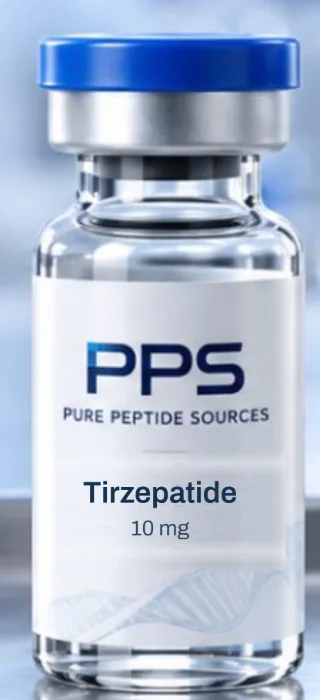
Lyophilized (freeze-dried) peptides arrive as a dry powder in a sealed vial. That format is why they can be shipped without active cooling, and it is also why the details on the listing matter. This checklist covers what to confirm before you order.
1. The identity of the compound
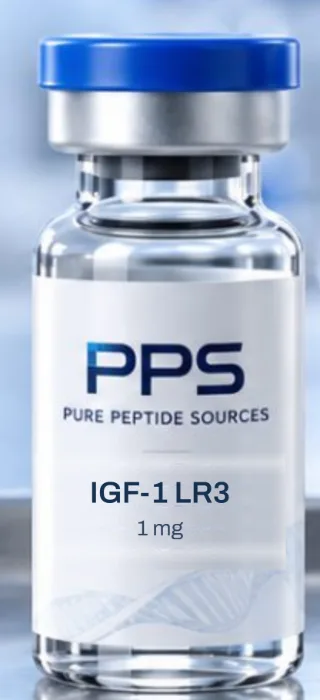
A listing should name the compound the way the literature does and state the vial size in milligrams. Where a compound has several analogues, check that the name matches the one your work calls for. For example, an IGF-1 analogue with an extended N-terminus is a different material from the shortened form, even though the names are close.
2. What the vial contains, per vial
Quantity per vial is stated as the mass of peptide in the vial, not the mass after you add diluent. Compare like with like when you compare suppliers: a 5 mg vial and a 10 mg vial at different prices are only comparable per milligram.
A useful habit is to write the working quantity down before you order: how many vials the study needs, how many repeat runs it allows for, and how much you would be left holding if the protocol changes. Ordering one vial at a time is rarely efficient, and ordering a year of material at once is a storage problem, because every vial that is opened starts a shorter clock than the sealed ones.
3. Documentation: ask what actually exists
Some suppliers publish certificates of analysis from a named third-party laboratory; others do not. Check what a supplier really provides rather than what its pages imply. If your work needs certificate-backed material, confirm that before you order. Pure Peptide Sources does not publish certificates of analysis or purity figures at present, and says so on its About page. For a worked example of these checks on one compound, see where to buy BPC-157 for research.
4. Storage once it arrives
Lyophilized powder is stable at ambient temperature through normal transit. Once it arrives, keep it cold and dry, and let a cold vial reach room temperature before opening it so condensation does not form on the powder. Plan fridge or freezer space before the order lands. Our storage and handling guide covers what changes once a vial is in solution.
5. Shipping and packaging
Look at where the parcel is coming from and how long it spends in transit, because the time between dispatch and your fridge is the part of the cold chain you do not control. Check the dispatch cut-off, the carrier, the tracking policy and what happens if a parcel is lost or damaged. Our own terms are on the shipping page and the returns page.
6. Intended use
Research compounds are sold for in-vitro laboratory work only. They are not medicines and nothing here is guidance on administering them to people or animals.
If you want to compare specific compounds, start from the full catalogue.
A worked example of these checks on a short-peptide listing is in where to buy Cardiogen for research.
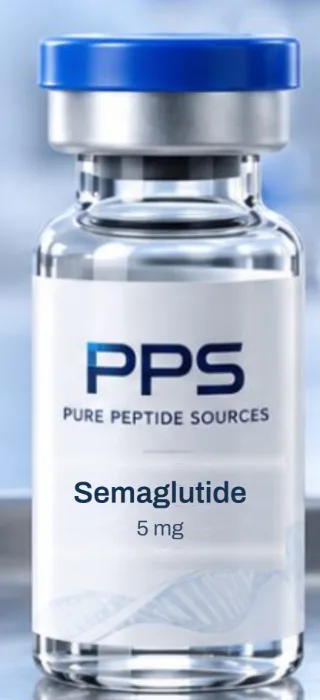
Buy Tirzepatide, Semaglutide, IGF-1 LR3 online: research peptides for sale
Searching for “lyophilized peptides for sale”? Orders placed before 2pm ET, Mon–Fri, ship the same working day in plain, unbranded packaging. Orders start at $180. Sold for in-vitro laboratory research only.
Questions
Where can I buy lyophilized research peptides online?
Pure Peptide Sources sells lyophilized research peptides online for in-vitro laboratory use only. Orders placed before the dispatch cut-off ship the same working day in unbranded packaging; the shipping page has the details.
Do research peptide suppliers provide certificates of analysis?
It varies by supplier, so ask before you order. Pure Peptide Sources does not publish certificates of analysis or purity figures at present and says so on its About page.
Do lyophilized peptides need cold shipping?
No. Freeze-dried peptide powder is stable at ambient temperature through normal transit. Refrigeration matters once the vial arrives.
All products listed are sold strictly for in-vitro laboratory research and analytical use. They are not drugs, foods, cosmetics or medical devices, and are not intended to diagnose, treat, cure or prevent any disease.